Uneven length, small gaps, rotated teeth and dark or patchy colour do not all need the same treatment. By identifying whether the cause is tooth position, shape, enamel, gum level, decay or an old restoration, you can judge which options are conservative, which are irreversible and what must be treated first.
Key takeaways
- Healthy teeth and a stable bite come first.
- Choose bonding, veneers, orthodontics, or reshaping based on severity.
- Whitening changes natural tooth colour, not fillings or crowns.
- Plan alignment and repairs before final whitening or veneers.
When smile designing can improve uneven teeth
Smile designing for uneven teeth can improve modest differences when the teeth are healthy and the bite is stable. The plan may address:
- Length: enamel reshaping or bonding can make a short edge look more even.
- Width: composite or a veneer can alter a narrow or disproportionate tooth.
- Edge shape: smoothing small chips or rebuilding an irregular contour can balance the smile.
- Spacing: minor gaps can be closed with bonding, veneers, or carefully planned orthodontics.
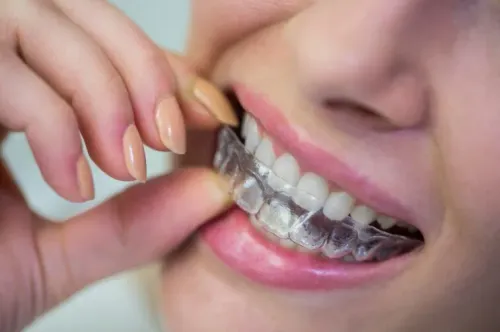
- Rotation and alignment: orthodontics is usually the safer choice when tooth position is the main concern, because it preserves natural enamel.
- Gum-related asymmetry: periodontal assessment, gum recontouring, or crown-lengthening surgery can correct uneven gum margins after confirming healthy tissues.
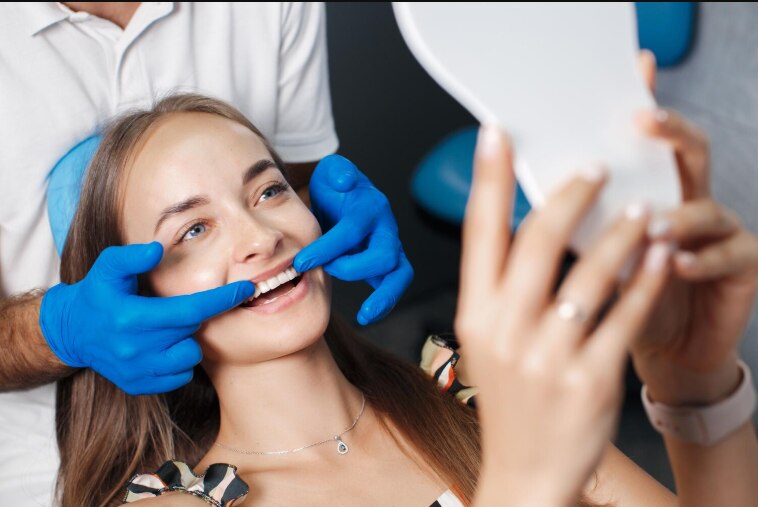
A veneer can mask minor shape, size, or alignment differences, but it requires enamel removal and cannot correct an unstable bite or untreated disease. A digitally designed preview or mock-up shows a proposed appearance; it does not guarantee the final result because lip movement, facial asymmetry, gum levels, speech, and bite affect what you see.
Major crowding, a pronounced rotation, an abnormal bite, jaw-related imbalance, or gum disease needs treatment beyond cosmetic reshaping. Crowding may require orthodontics, while pain, bleeding, swelling, loose teeth, or inflamed gums must be investigated before elective smile treatment.
Which treatment suits the amount of unevenness
Orthodontics suits uneven tooth position; reshaping or covering suits small differences in shape, length or colour. Smile designing for uneven teeth therefore matches the least invasive option to the actual defect, rather than using veneers or crowns for every concern.
| Option | Enamel removal and reversibility | Durability, staining and maintenance | Typical treatment time |
|---|---|---|---|
| Orthodontics | No routine enamel removal; position changes are reversible without retention | Teeth keep their natural enamel and colour; retainers and cleaning are essential | Several months to about two years |
| Enameloplasty | Minor enamel reduction; irreversible, but no added material | Durable when limited to safe enamel; does not stain, but cannot correct large differences | Usually one visit |
| Composite bonding | Little or no enamel removal; often reversible by removing the composite | Less durable than ceramic; can stain, chip and wear, requiring polishing or repair | Usually one visit |
| Porcelain or ceramic veneers | Enamel is usually reduced; not reversible because the tooth remains prepared | More stain-resistant and durable than composite, but can chip or debond; maintain hygiene and manage grinding risk | Two or three visits over a few weeks |
| Crowns | Substantial reduction around the entire tooth; irreversible | Durable full coverage, with gum care and replacement eventually required; ceramic resists staining | Two or three visits over a few weeks |
Orthodontics is preferred for crowding, spacing, rotation and bite-related position because it moves teeth while preserving natural structure. It will not substantially redesign a malformed tooth or remove intrinsic discoloration. Crowns belong on weakened, fractured or heavily restored teeth, not healthy teeth that are merely uneven.
Veneers or bonding provide cosmetic smile treatment when the underlying teeth are sound.
When whitening helps—and when it cannot
Whitening helps many surface stains from tea, coffee, tobacco and plaque, along with some age-related yellowing. It does not change the colour of crowns, veneers, fillings or composite bonding, so whitening usually comes before colour-matched restorations in a smile makeover for discolored teeth.
- Identify the cause before choosing a cosmetic smile treatment. White or brown patches can result from fluorosis, tetracycline staining, enamel hypoplasia or another enamel defect; bleaching may give limited improvement when the stain lies deep within the tooth.
- Investigate decay and defective fillings. A cavity can create a dark spot, while an old leaking filling can discolour the surrounding tooth; whitening will not repair either problem.
- Treat a newly dark single tooth as a dental finding, not a cosmetic stain. Trauma can damage the pulp and cause gradual darkening, so examination, an X-ray and vitality testing may be needed before treatment. A non-vital tooth may need root-canal treatment and internal bleaching rather than immediate veneering.
- Select the final shade only after diagnosis and whitening. The underlying tooth colour, restoration thickness, translucency and cement affect the result, and an opaque veneer that hides darkness can look less natural.
- Reassess existing restorations after whitening. They will remain their original shade, so a dentist may need to replace mismatched fillings or bonding after the natural teeth reach their planned colour.
The correct order when teeth are uneven and discolored
The correct sequence starts with diagnosis, not veneers or bonding. Smile designing for uneven discolored teeth must establish whether the appearance comes from tooth position, shape, enamel defects, stains, restorations, gum levels, or several causes together.
1. Take full-face and close-up photographs, then record the initial shade. Examine tooth length, width, edges, spacing, rotation, gum symmetry, bite, speech and lip movement.
2. Screen for decay, cracks, defective fillings, plaque, bleeding and gum pockets. Review existing crowns, veneers, fillings and bonding because restorations do not whiten like natural enamel.
3. Use X-rays when decay, bone loss, trauma or an abnormal tooth is suspected. Add vitality testing for a newly darkened tooth, pain, a history of injury or signs of pulp damage.
4. Treat active decay or gum disease before elective cosmetic work. Placing a veneer over infection or ignoring bleeding gums risks failure beneath an attractive surface.
5. Discuss sensitivity, enamel thickness, bruxism, acidic or staining habits and oral hygiene. Thin enamel, grinding and poor plaque control can change which treatment is safe.
6. Whiten natural teeth first when bleaching is appropriate, then select the final shade and match new restorations. Whitening cannot change crowns, veneers or fillings.
7. Use a wax-up, digital preview or mock-up to test proportions, speech and bite. It is a planning aid, not a guarantee; healthy enamel, gum levels and facial movement limit the result.
This sequence may lead to a smile makeover for discolored teeth, but diagnosis determines whether whitening, orthodontics, reshaping or restoration comes next.
Questions to ask before choosing a smile makeover
A smile makeover is suitable only after a dentist identifies what causes the unevenness or colour change. Ask whether smile designing for uneven discolored teeth is appropriate after checking your teeth, gums, bite, restorations and oral hygiene—not simply from photographs.
| Question to ask | What the dentist should assess | Pause cosmetic treatment if |
|---|---|---|
| Are there cavities, active gum disease or erosion? | Decay, gum pockets, bleeding, enamel loss and sensitivity | Any condition remains untreated |
| Could grinding or poor plaque control damage the result? | Bruxism signs, night-time wear, brushing and cleaning habits | You cannot control clenching or maintain daily plaque removal |
| Is the problem tooth position or appearance? | Major rotation, crowding, bite abnormalities, tooth shape and gum levels | Veneers are being proposed for a bite or alignment problem better suited to orthodontics |
| What explains pain, swelling, bleeding, looseness or a newly dark tooth? | Examination, X-rays and vitality testing when indicated | The cause is unknown; trauma or loss of pulp vitality needs investigation first |
| What result is realistically achievable? | A mock-up, shade limitations and maintenance needs | You expect permanent, stain-proof teeth or an exact celebrity smile |
A smile makeover for discolored teeth is the wrong starting point when symptoms are present. Treat disease first; whitening or restorations can then be planned accurately. Dr. Raman Dental, Hair And Skin Wellness Centre in West Delhi can provide an assessment that tests suitability rather than assuming treatment is appropriate.
Related services
Aesthetic Smile Designing We provide Aesthetic Smile Designing Services in Vikas Puri Delhi View service → |
Smile Designing We provide best smile Designing dental services in Vikas Puri Delhi View service → |
Frequently asked questions
Can smile designing improve uneven teeth?
Yes, smile designing can improve modest unevenness when the teeth are healthy and the bite is stable. Bonding, enamel reshaping, veneers, or orthodontics may suit different cases.
Which treatment suits the amount of unevenness?
Minor differences may respond to enamel reshaping or composite bonding. Larger spacing, rotations, or bite problems may require orthodontics, while veneers suit selected teeth after a dental assessment.
When does whitening help discolored teeth?
Whitening helps natural teeth with surface or internal staining. It does not change the colour of fillings, crowns, veneers, or some medication-related stains.
What is the correct order for uneven and discolored teeth?
Treat decay and gum disease first, then address alignment or tooth shape. Complete whitening before matching restorations, bonding, or veneers to the final shade.
What should you ask before choosing a smile makeover?
Ask about tooth and gum health, bite stability, treatment alternatives, enamel removal, maintenance, restoration replacement, total appointments, and how existing dental work will match.
Related services
Regular Oral Checkup Checking the Tooth Decay and Health of Your Gum View service → |
Dental Facilities We provide the Philip Zoom Teeth Whitening service in Vikas Puri Delhi View service → |
Dental Bleaching We provide the dental bleaching services in Vikas puri View service → |
Philips Zooms Tooth Whitening We provide Philips Zooms Tooth Whitening in Vikas Puri Delhi View service → |
Keywords