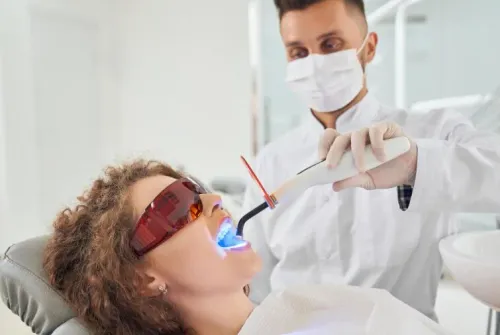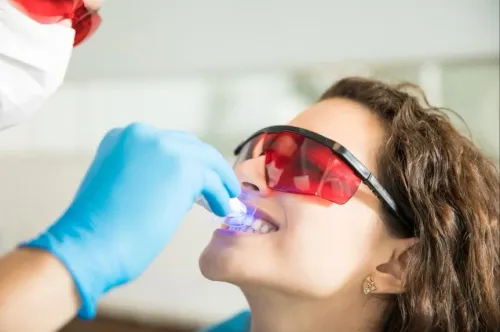
The better option depends on the movements your teeth and bite require, your gum and bone health, and how reliably you can follow the daily routine. By comparing suitability, control, visibility, maintenance, work demands and retention, you can identify which questions an orthodontic assessment must answer before you choose.
Key takeaways
- Choose aligners for mild-to-moderate cases you can manage consistently.
- Choose braces when teeth need strong control or complex movement.
- Ask about treatment length, attachments, refinements and retention before deciding.
- Compare cleaning routines, appointment frequency and speech changes with your orthodontist.
Which adult cases are better suited to aligners or braces?
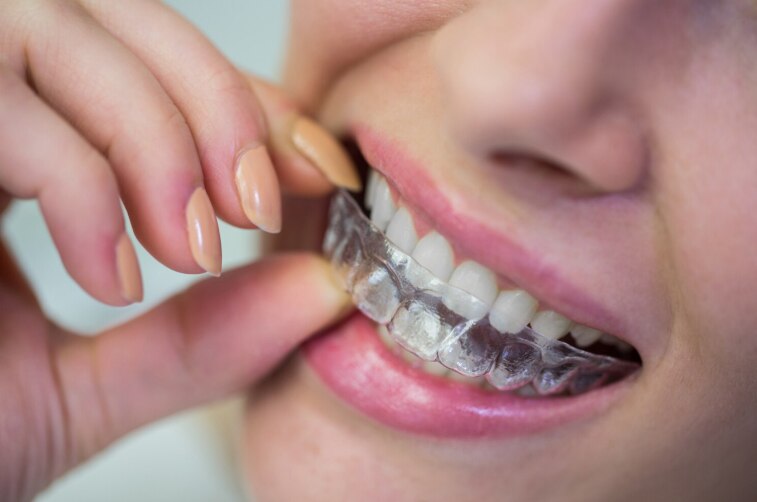
Clear aligners are usually most predictable for mild-to-moderate crowding, spacing and selected rotated teeth when you wear each tray for the prescribed time. Fixed braces generally give stronger control over difficult movements.
| Option | Better suited to | Important limits |
|---|---|---|
| Clear aligners | Mild-to-moderate crowding or spacing; selected rotations; some deep bites, open bites and crossbites | Require disciplined wear; attachments, elastics or interproximal reduction may be needed |
| Fixed braces | Severe crowding, large gaps, significant rotations, extrusion, bodily tooth movement, some extraction cases and complex bite correction | Visible brackets and wires; cleaning requires more effort |
| Either option | Selected bite problems | Severe jaw-size discrepancies may require orthodontics combined with jaw surgery |
An impacted tooth needs closer assessment and may require surgical exposure followed by orthodontic traction. Adults must treat active decay and uncontrolled gum disease first. Before accepting a cosmetic promise, ask for checks of gum recession, periodontal support, bone levels, existing restorations, root shape and black triangles.
Orthodontic movement cannot reliably rebuild missing gum or bone. Both appliances also carry a small risk of root resorption, influenced by movement direction and amount, treatment duration, root shape and individual susceptibility. The choice between clear aligners or braces for adults in Vikas Puri should therefore follow an examination, not appearance alone.
Which option gives you more predictable treatment and a shorter timeline?
Neither appliance is automatically faster or more predictable. Treatment length depends on the movements required, extractions, bite correction, missed appointments, breakages and, especially with aligners, actual wear time. Braces stay attached continuously, while the orthodontist can adjust wires and add elastics for difficult movements.
| Option | Timing advantage | What can delay treatment |
|---|---|---|
| Braces | Continuous force and clinician-controlled adjustments | Broken brackets, missed appointments and complex movements |
| Aligners | Staged trays with planned changes | Missed wear, lost trays, poor tracking and extra refinement trays |
An aligner tray works only while you wear it. Follow the prescribed schedule, commonly 20–22 hours daily, and change trays only when instructed; advancing early because a tray feels loose can move you ahead of an uncompleted stage. Repeated removal or a tray that no longer fits can create tracking problems and extend treatment.
Keep the previous tray when instructed, and contact the clinic promptly after losing one. Ask how many planned stages, refinements, attachments, elastics and appointments your case includes.
- Confirm the wear target and tray-change schedule.
- Ask what happens after a lost tray or missed wear.
- Ask whether the estimate includes refinements.
A computer simulation shows intended movement, not a guarantee that every tooth will follow it without clinical review. A local search for aligners vs braces Vikas Puri does not change the decision: an examination and appropriate records determine which option offers better control.
What will daily life, speech and appearance be like?
Adult clear aligners in West Delhi can make meetings and travel easier because you remove them for meals, drinks other than water and brushing. Store them safely, and use a mouthguard for contact sports as your orthodontist advises.
| Option | Daily appearance and routine | Main inconvenience |
|---|---|---|
| Clear aligners | Less noticeable, but bonded attachments, elastics and refinement trays can show. | They only work when worn for the prescribed hours. |
| Fixed braces | Always visible; ceramic or tooth-coloured brackets offer a less conspicuous alternative to metal. | Brackets and wires can irritate cheeks and complicate eating and cleaning. |
Expect a temporary lisp or altered speech after inserting aligners. Practise reading aloud and speak slowly during adjustment. Remove aligners before eating, place them in a ventilated case rather than a tissue, rinse and brush them as directed, and never use hot water because heat can distort the plastic.
If you miss wear time, resume the prescribed routine and ask your orthodontist whether to extend the tray; do not double up without instructions. With braces, orthodontic wax can cover a sharp area. Brush around every bracket, use an interdental brush or threader, and limit hard, sticky foods that can loosen appliances.
A loose bracket or poking wire needs prompt advice, not home cutting.
How do aligners and braces compare for cleaning, appointments and retention?
Aligners simplify cleaning because you remove them to brush, but brush before reinserting them. Braces stay attached, so they remove the daily wear decision while making plaque removal harder.
| Option | Cleaning | Appointments and travel |
|---|---|---|
| Aligners | Remove trays, brush teeth, clean around attachments, and store trays in a case. | Carry the case, cleaning supplies and spare trays; contact the clinic if a tray is lost. |
| Braces | Clean above and below the wire, use an interdental brush, and inspect every bracket after meals. | No lost-tray problem, but arrange prompt advice for broken brackets or poking wires. |
Food trapped around attachments, frequent sugary drinks and poor cleaning can cause plaque, decay and gum inflammation. People who struggle with consistent routines may find fixed braces more dependable; removable appliances require strict wear discipline.
Aligners suit travel when you can maintain that routine. Braces demand more time after meals, while broken wires or brackets require planning for repair rather than improvisation.
Neither appliance permanently stabilizes teeth. After active treatment, wear removable retainers exactly as prescribed and maintain any bonded retainer; long-term, often nighttime, retention is needed because teeth can relapse.
Before choosing, ask who will monitor your retainers, what happens if one breaks, and how often your teeth and gums will be reviewed after treatment. Retention is part of treatment, not an optional final step.
What should you ask an orthodontist near you before choosing?
An orthodontist near me for aligners should begin with an in-person examination, not a tray order based only on photographs. Ask what the examination found about your bite, gum health, bone support, restorations, impacted teeth and jaw relationship. Appropriate records include clinical photographs, digital scans or models, and radiographs when indicated.
Ask these questions before choosing:
- Why do aligners or braces provide better control for your specific movements?
- Will you need attachments, elastics, interproximal reduction or extractions?
- How many estimated stages and appointments are planned?
- How often will reviews occur, and what is the refinement policy if teeth do not track?
- What emergency support covers a lost tray, broken bracket or poking wire?
- What retention plan includes removable or bonded retainers, monitoring, repair and replacement?
| Option | What to clarify | Main trade-off |
|---|---|---|
| Clear aligners | Wear schedule, attachments, refinements and tray changes | Removable and discreet, but missed wear can cause tracking problems |
| Braces | Brackets, wires, elastics and expected adjustments | Continuous control, but more visible and harder to clean |
For people weighing clear aligners or braces for adults in Vikas Puri, a consultation with Dr. Raman Dental, Hair And Skin Wellness Centre can connect aesthetic preferences with examination-led planning. Choose the appliance that can move your teeth safely while matching your ability to follow its demands.
Related service
ALIGNERS ALIGNERS We are the Best Dental Aligners Services in Delhi |
Frequently asked questions
Are clear aligners or braces better for adults with crowded teeth?
Clear aligners suit mild-to-moderate crowding when you wear each tray as prescribed. Fixed braces offer stronger control for severe crowding and complex movements.
Which gives adults a shorter and more predictable treatment timeline?
The timeline depends on the movements required and your consistency. Braces often provide more predictable control for difficult movements, while aligners work efficiently for suitable mild-to-moderate cases.
Will clear aligners affect speech or daily life?
Aligners are removable for meals and cleaning, but you may notice temporary speech changes. Braces remain fixed and can affect food choices and cleaning more noticeably.
How do adults clean aligners and braces?
Clean aligners with a soft toothbrush and lukewarm water, and brush and floss carefully around brackets and wires. Follow the cleaning method your orthodontist recommends.
What should I ask an orthodontist near me before choosing aligners?
Ask which movements your case needs, the estimated timeline, wear hours, attachment requirements, refinement policy, appointment schedule and retainer plan.
Keywords