Philips Zoom is not automatically suitable because a treatment carries a familiar brand name. Your decision depends on the cause of discolouration, the health of your teeth and gums, existing restorations, sensitivity risk, and whether the expected improvement justifies the appointment and aftercare.
Key takeaways
- Complete an examination before whitening if you have decay, gum disease or sensitivity.
- Zoom changes natural tooth colour, not crowns, veneers, fillings or bonding.
- Ask about the peroxide system, treatment time, sensitivity plan and aftercare instructions.
- Compare Philips Zoom with custom trays and internal whitening before choosing treatment.
What happens during a Philips Zoom whitening appointment?
A Philips Zoom whitening appointment usually takes about one to two hours for the in-office treatment, plus extra time for consultation, examination, consent, and questions. The exact sequence varies because “Zoom” does not identify one universal peroxide concentration, contact time, number of applications, or light system.
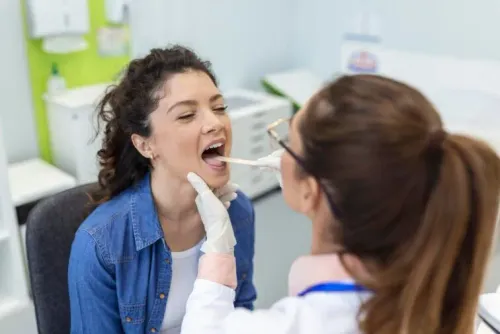
1. Examination comes first. The dentist checks for cavities, leaking fillings, cracks, gum inflammation, exposed roots, enamel wear, heavy deposits, and restorations that could make whitening painful or produce an uneven result.
2. Your baseline shade is recorded, often with a shade guide or calibrated photograph. This gives you a reference for judging change instead of relying on memory or a promised fixed shade.
3. The teeth are cleaned when plaque, calculus, or surface stain interferes with assessment. The dentist may postpone whitening to treat decay, gum disease, sensitivity, or a defective restoration first.
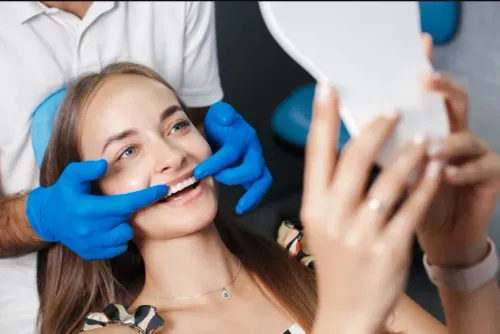
4. Your lips and gums are covered with protective barriers, and the teeth are isolated so peroxide gel does not contact soft tissue. Poor isolation can cause gum soreness, whitening patches, or a chemical burn.
5. Peroxide whitening gel is applied to the visible tooth surfaces for the protocol’s specified contact time. The gel is removed and replaced for the planned number of applications.
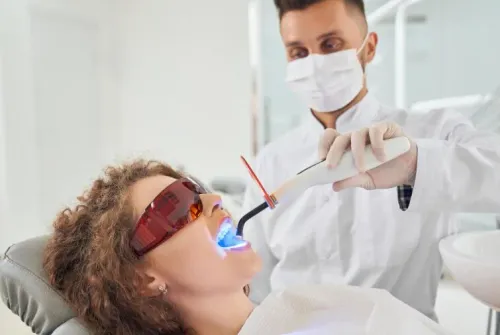
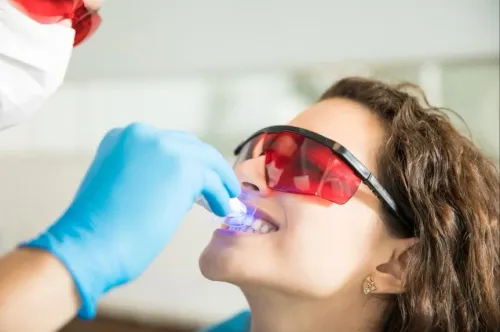
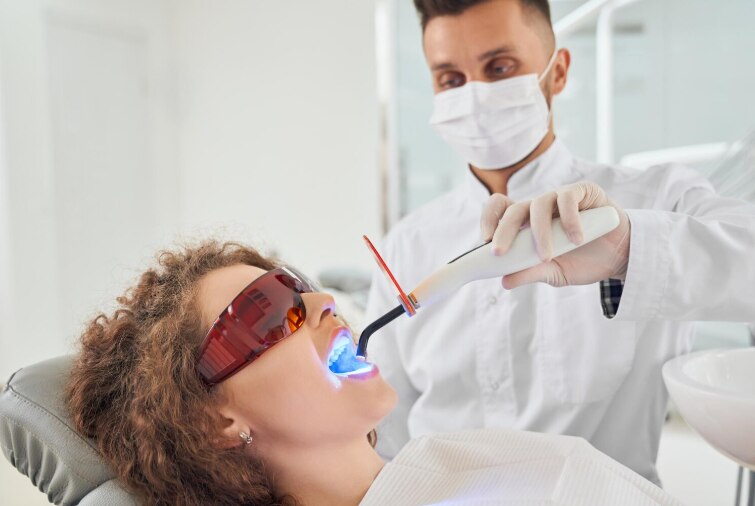
6. If that provider’s protocol uses light activation, the light is positioned over the isolated teeth during each cycle. Ask which gel strength, light system, cycle time, and expected shade change are included.
A search for Philips Zoom tooth whitening Vikas Puri should lead to protocol-specific questions, not a brand assumption. The system cannot compensate for untreated disease, inadequate isolation, or an unsuitable diagnosis.
Who is a suitable candidate, and when should treatment wait?
Adults with healthy teeth and gums are the strongest candidates for Philips Zoom after a dental examination. Zoom whitening suitability depends on likely benefit, safety, and diagnosis—not the product name alone.
The examination should check:
- Cavities, leaking fillings, cracks, enamel wear, and exposed roots.
- Gum inflammation, heavy deposits, and poorly fitting restorations.
- Existing sensitivity and the cause, location, and severity of discolouration.
- Crowns, bridges, veneers, fillings, composite bonding, and implant crowns visible in the smile.
Untreated decay, active gum disease, severe sensitivity, or damaged enamel can make whitening painful and require treatment first. Heavy deposits can also obscure the true tooth shade, so cleaning may come before cosmetic treatment.
A single dark or grey tooth needs investigation because it can indicate decay, a defective restoration, or loss of pulpal vitality; whole-mouth whitening may miss the real problem.
Postpone elective peroxide whitening during pregnancy or breastfeeding unless your clinician advises otherwise. Teenagers seeking cosmetic treatment and people with unusual intrinsic stains, such as fluorosis, trauma-related staining, or tetracycline staining, need case-specific assessment rather than a blanket recommendation.
Natural teeth can lighten, but restorations cannot. Whitening visible crowns, bridges, veneers, fillings, bonding, or implant crowns creates a colour mismatch; replacing them may need to wait until the natural teeth stabilise.
A suitable candidate is therefore someone whose mouth is healthy, whose stain is likely to respond, and whose expectations match what whitening can change.
What can Zoom change, and which alternatives may fit better?
Philips Zoom is most predictable when the problem is staining in natural teeth, especially from tea, coffee, tobacco, or age-related surface and internal change. Fluorosis, trauma, tetracycline staining, and a non-vital tooth can respond unevenly; a single dark tooth may need diagnosis or internal treatment instead.
Whitening does not change porcelain crowns, ceramic veneers, fillings, composite bonding, or implant crowns. If those restorations show when you smile, your teeth can become lighter while they remain the old colour. Consider replacement only after natural teeth stabilise; use bonding or veneers when examination shows they are appropriate, not as automatic whitening upgrades.
| Option | Speed and control | Supervision, sensitivity, maintenance, and time |
|---|---|---|
| Philips Zoom in-office | Fastest; controlled clinical applications | Dentist-supervised, but sensitivity is possible; one main appointment plus review or maintenance |
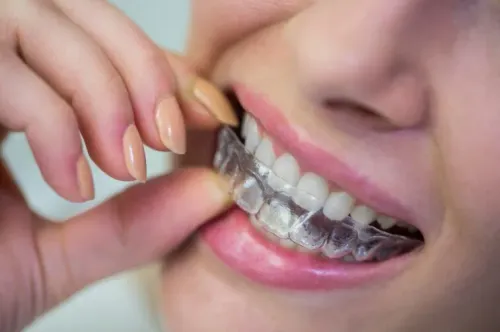
| Dentist-supervised take-home trays | Slower; you control daily wear | Professional fit and guidance; gradual shade change, with repeated wear and later maintenance |
| Over-the-counter strips | Variable and less precise | Limited assessment; uneven contact and sensitivity are possible; repeated purchases and use |
| Whitening toothpaste | Gradual surface-stain removal, not deep whitening | Low supervision and lower cost; abrasive overuse can irritate teeth; ongoing use is needed |
| Unbranded dental bleaching | Protocol, concentration, and isolation may be unclear | Weak traceability raises safety concerns; ask who supervises it and what follow-up costs in appointments |
| Smile designing | Plans the whole visible smile rather than simply whitening enamel | May involve bonding or veneers; more appointments, cost, and tooth alteration |
Veneers change tooth shape, surface, and colour, so they suit selected structural or cosmetic problems rather than routine staining. Choose Zoom when speed matters and natural teeth are suitable; choose trays, restoration replacement, bonding, veneers, or targeted treatment when the cause or colour pattern demands more control.
How much discomfort and aftercare should you expect?
Expect temporary sensitivity as a sharp response to cold air, water, or food. Gum irritation feels like soreness, whitening patches, or burning where gel touches tissue. These effects are usually temporary, but severe sensitivity can require treatment to pause.
Risk rises with stronger peroxide exposure, longer contact time, dehydrated teeth, enamel or dentine defects, and exposed roots. Before treatment, disclose any previous sensitivity, ask about a desensitising product or fluoride plan, and do not arrive with irritated or bleeding gums.
After treatment, follow the provider’s written instructions:
- Use a soft toothbrush and fluoride toothpaste; avoid aggressive brushing while your teeth feel tender.
- Clean between your teeth gently, because plaque can worsen gum soreness and make whitening look uneven.
- Avoid smoking while the colour settles.
- Limit strongly staining drinks and foods, such as coffee, tea, red wine, cola, curry, and dark berries, for the period stated in your instructions.
Results are not permanent. Diet, smoking, and ageing add new stain, so the shade gradually darkens and maintenance may become necessary. Ask a dentist before repeating treatment rather than whitening continuously or at unnecessarily short intervals.
No provider can promise one fixed shade or duration: your enamel, stain type, habits, and restoration colour all affect how long the result lasts.
How should you choose a provider in Vikas Puri or West Delhi?
If you are asking, “is Philips Zoom tooth whitening right for me in Vikas Puri?”, choose an examination-led consultation, not an appointment that opens with a sales offer. A zoom dentist near me should provide accessible review and follow-up, not just a short travel time.
Ask the provider to:
- Record your starting shade and identify whether the discolouration is surface, internal, localised, or linked to one tooth.
- Examine gums and teeth for decay, cracks, enamel wear, exposed roots, inflammation, deposits, and leaking or poorly fitting restorations.
- Review every visible filling, crown, bridge, veneer, bonding restoration, and implant crown because these materials will not whiten.
- State the exact gel, peroxide concentration, contact time, number of applications, and whether light activation is used.
- Explain the isolation method, realistic shade expectation, sensitivity risk, and what happens if the colour becomes uneven.
- Provide written consent, aftercare instructions, and the name of the clinician handling follow-up.
Compare providers on the evidence they offer:
| Provider feature | Quality check | Warning sign |
|---|---|---|
| Examination | Shade record and diagnosis before treatment | Whitening offered immediately |
| Protocol | Gel, concentration, timing, light, and isolation explained | “Zoom” treated as one identical formula |
| Follow-up | Named clinician and uneven-colour plan | No answer after payment |
A professional whitening consultation in West Delhi should also compare whitening with bonding, veneers, restoration replacement, or treatment for a single dark tooth. Dr. Raman Dental, Hair And Skin Wellness Centre can be one local option to assess against those standards, clinician credentials, protocol transparency, and follow-up access.
Related services
Philips Zooms Tooth Whitening We provide Philips Zooms Tooth Whitening in Vikas Puri Delhi View service → |
Philips Zoom Teeth Whitening We provide Philips Zoom Teeth Whitening Services in Vikas Puri Delhi View service → |
Frequently asked questions
What happens during a Philips Zoom whitening appointment?
Expect consultation, examination, consent, tooth and gum protection, whitening applications and post-treatment guidance. The in-office treatment usually takes about one to two hours, with extra time for questions and assessment.
Who is a suitable candidate for Philips Zoom whitening?
A suitable candidate has healthy teeth and gums, realistic expectations and discolouration that responds to external whitening. Treat decay, active gum disease or uncontrolled sensitivity before whitening.
When should Zoom whitening wait?
Delay treatment until a dentist assesses untreated cavities, gum inflammation, cracks, severe sensitivity or dental work that will not match the new shade. Discuss pregnancy, breastfeeding and other health concerns during consultation.
How much discomfort and aftercare should you expect?
Temporary sensitivity or gum irritation can occur after whitening. Follow the provider’s instructions, avoid known triggers while sensitivity settles and contact the clinic if pain is severe, persistent or localised.
What alternatives may fit better than Philips Zoom?
Custom take-home trays offer a slower, controlled approach. Internal whitening addresses a darkened root-treated tooth, while crowns, veneers or bonding address restorations or shape concerns that peroxide cannot change.
Keywords