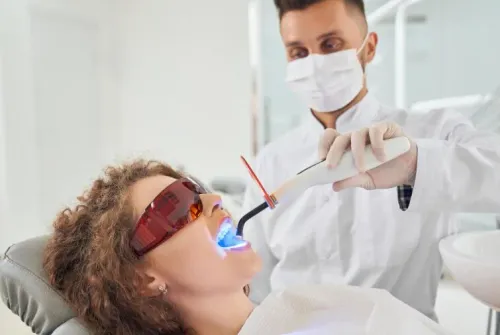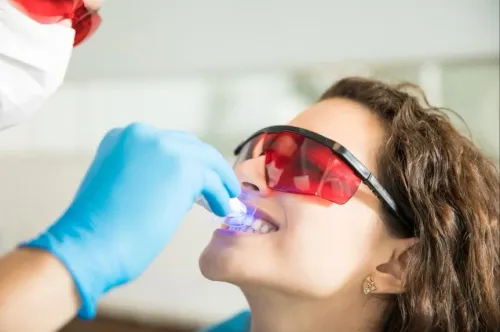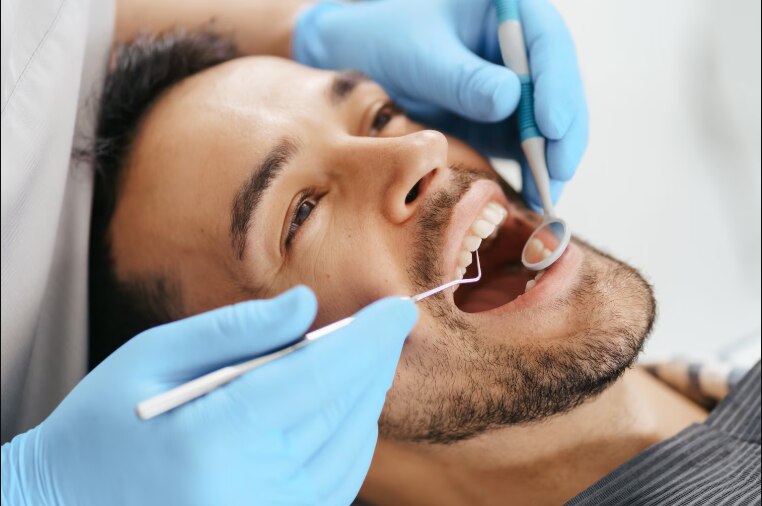
A six-month dental visit is a familiar rule, but it does not fit every adult. Your next appointment should reflect your oral-health findings, medical conditions, dental restorations, symptoms and treatment stage, so you can distinguish a routine review from cleaning, imaging or urgent care.
Key takeaways
- Let your disease risk determine recall intervals, not an automatic six-month rule.
- Ask for earlier review when pain, swelling, bleeding, or a broken restoration appears.
- Confirm the next examination date before leaving the dental clinic.
- Match appointments to treatments such as braces, implants, fillings, or gum care.
Start with risk, not the six-month rule
A healthy adult does not automatically need an oral examination every six months. A low-risk adult may be placed on a longer recall interval, while active disease can require review every three months or another interval chosen after examination.
NICE guidance sets adult recall intervals from 3 to 24 months, so six months is a useful starting point—not a universal rule.
Your dental checkup frequency should reflect findings and circumstances such as:
- No untreated decay, gum bleeding or deep periodontal pockets
- Previous cavities, frequent sugary drinks or difficulty maintaining oral hygiene
- Tobacco use, diabetes control or medicines that cause dry mouth
- Pregnancy-related gum symptoms or other changes since your last examination
- Crowns, bridges, dentures, implants, braces or aligners that need monitoring
If you searched “how often should i get an oral checkup in vikas puri,” the location does not determine the medical interval. A clinic in Vikas Puri or elsewhere in West Delhi can provide convenient care, but your dentist should set the next date from your examination, history and ability to control plaque.
Ask for the recommended recall period before leaving, then bring it forward if pain, persistent sensitivity, gum swelling or another new concern appears. A cleaning-only appointment does not replace an examination for decay, gum disease or failing dental work.
Match the interval to your condition or dental treatment
Active gum disease or repeated decay usually calls for reviews about every three months, not an automatic six-month appointment. Your dentist should set dental checkup frequency after examining disease activity, plaque control, previous treatment and medical factors, then shorten or extend it as those factors change.
- Gum disease: Book periodontal reviews at an interval set by gum bleeding, pocket depths and bone loss. Active disease often needs three-month monitoring.
- Repeated cavities, high sugar exposure or dry mouth: Arrange closer examinations, commonly every three to six months, while your dentist addresses diet, fluoride, saliva loss and medication causes.
- Diabetes, tobacco use, pregnancy-related gum symptoms or a history of oral cancer: Ask whether you need an individualized, shorter interval. Changes in diabetes control, bleeding, ulcers or tobacco use should trigger a review of the schedule.
- Crowns, bridges and dentures: Keep routine examinations and have the dentist check margins, supporting teeth, gum health, cracking and fit. A loose denture or damaged restoration needs an earlier visit.
- Implants: Attend reviews that assess plaque, bleeding, suppuration, surrounding bone, stability and the implant crown, bridge or denture. The interval depends on implant condition and your risk.
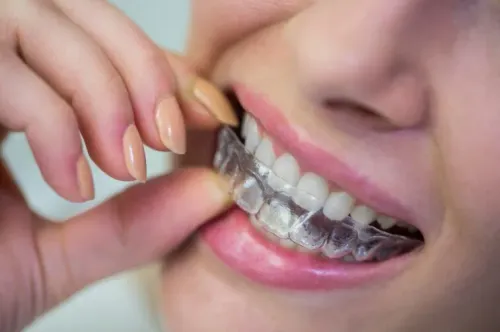
- Braces or aligners: Attend orthodontic adjustments as directed; fixed braces are often reviewed every four to eight weeks. These visits do not replace general examinations for decay, gums, soft tissues and wear.
A regular oral checkup in Vikas Puri should follow your clinical risk, not the neighbourhood. Ask for the next date before leaving, and reset it after major treatment or a change in health.
Know what each type of dental appointment covers
A cleaning removes deposits; it does not replace an examination. An oral examination in West Delhi, or elsewhere, assesses disease, restorations, soft tissues and bite, while X-rays provide images that a visual check cannot. An urgent visit addresses a problem that should not wait for your planned review.
| Appointment type | What it covers | When it applies |
|---|---|---|
| Routine oral examination | Updates medical and dental history; checks teeth, fillings, crowns, gums, oral tissues, bite and tooth wear; sets prevention or treatment plans | Preventive reviews and follow-up of known risks |
| Professional cleaning | Removes plaque and hardened calculus from tooth surfaces, including areas brushing and flossing miss; may include polishing | Deposits, gum inflammation or a cleaning plan; it does not diagnose decay or failing restorations |
| Dental X-ray appointment | Takes targeted radiographs to examine hidden decay, bone loss, infection, roots or developing teeth | When examination findings, symptoms, treatment planning or age-related risk justify imaging |
| Urgent dental visit | Assesses pain, swelling, bleeding, trauma, infection or a damaged tooth and provides immediate treatment or referral | Facial swelling, fever with dental pain, uncontrolled bleeding or a knocked-out permanent tooth |
Difficulty breathing or swallowing with mouth or facial swelling is an emergency: seek medical help immediately. A knocked-out permanent tooth also needs rapid care; hold it by the crown, avoid scrubbing the root, and place it in milk or saline while travelling for treatment.
Recognise symptoms that should move your appointment forward
Persistent tooth pain, lingering sensitivity, bleeding or swollen gums, a loose tooth, or a broken filling deserves an appointment before your planned checkup. A mouth ulcer lasting more than two weeks and a sudden change in how your denture or aligner fits also need examination.
Searching for “dentist checkup near me” should not lead you to book a cleaning-only visit for these problems; cleaning removes deposits, but examination is needed to identify decay, gum disease, damaged restorations, lesions, or bite problems.
| Symptom | Appointment decision | What to do now |
|---|---|---|
| Tooth pain, persistent sensitivity, loose tooth, or broken filling | Move the visit forward | Request an examination and describe what triggers it |
| Fever with dental pain, facial or mouth swelling, or uncontrolled bleeding | Seek urgent dental assessment | Do not wait for a routine checkup |
| Swelling with difficulty breathing or swallowing | Treat as an emergency | Contact emergency medical services immediately |
| Knocked-out permanent tooth | Seek immediate dental care | Hold it by the crown, avoid scrubbing the root, and keep it in milk if you cannot place it back |
Bring information that helps the clinician judge urgency:
- When the symptom began, where it occurs, and whether heat, cold, biting, or sweets trigger it.
- Pain severity, duration, swelling, fever, bleeding, and anything you have tried.
- Your medication and allergy list, medical conditions, pregnancy status, and relevant dental records or X-rays.
- Details of recent dental work, braces, aligners, dentures, implants, or previous injuries.
Confirm the next date after the examination
The dentist sets your next interval after reviewing examination findings, previous decay and gum history, current symptoms, oral hygiene, sugar exposure, tobacco use, diabetes control, dry mouth, medicines, pregnancy and your ability to maintain care.
The answer to “how often should i get an oral checkup in vikas puri” is a risk decision, not a locality-based rule.
A six-month date suits some adults, but your dentist may shorten or extend it after the examination. Move the appointment forward if pain, persistent sensitivity, bleeding, swelling, a broken filling or a mouth ulcer lasting more than two weeks appears.
Do not treat a cleaning-only visit as a substitute for an examination; cleaning removes deposits, while an examination checks for decay, gum disease, failing restorations and oral lesions.
Arrange the next visit with these steps:
- Tell the clinic whether you need a preventive examination, a cleaning, an urgent assessment or monitoring of existing treatment.
- Give the receptionist your last examination date, current symptoms, pregnancy status and major medical conditions.
- Ask how many weeks or months the dentist recommends and what finding determined that interval.
- Confirm whether any X-ray is planned. Radiographs are selected after the clinical examination when the result could change treatment, not automatically at every visit.
When searching “dentist checkup near me” or “regular oral checkup vikas puri,” ask Dr. Raman Dental, Hair And Skin Wellness Centre whether the booking is an examination or cleaning and request the recommended recall date before leaving.
Related service
Regular Oral Checkup Checking the Tooth Decay and Health of Your Gum View service → |
Frequently asked questions
How often should I get an oral checkup in Vikas Puri?
Your interval depends on disease risk, current symptoms, and dental treatment. Low-risk adults may use a longer recall interval, while active disease can require review every three months or another interval chosen after examination.
What does a regular oral checkup in Vikas Puri include?
An appointment can include an oral examination, gum assessment, review of existing restorations, screening for tooth decay and other oral changes, and X-rays when clinically needed. Ask the dentist what was examined and what requires monitoring.
Which symptoms mean I should bring my dental checkup forward?
Contact a dentist sooner for tooth pain, facial or gum swelling, bleeding that does not settle, a loose tooth, a broken filling or crown, a mouth ulcer lasting more than two weeks, or sensitivity that persists.
How should dental treatment affect my checkup frequency?
Braces, implants, gum disease, active decay, recent restorations, and other ongoing treatments require intervals set around the treatment plan. Confirm the reason for the next visit and the date before you leave.
Keywords