A dark tooth is not automatically a bleaching problem: coffee marks on enamel behave differently from tetracycline bands, fluorosis, or a tooth that darkened after trauma. You will learn how to identify the stain, what Philips Zoom can and cannot change, when another treatment is safer, and how to judge the likely result before committing.
Key takeaways
- Surface stains and age-related yellowing often respond to professional bleaching.
- Ask your dentist to identify whether the stain is inside the tooth or on its surface.
- Use sensitivity toothpaste and follow your dentist’s aftercare instructions after bleaching.
- Intrinsic stains, restorations and untreated decay may require another treatment first.
Which deep stains respond to Philips Zoom whitening?
Tobacco, coffee, tea, red wine and plaque-related staining usually sits on the tooth surface. Professional cleaning followed by peroxide bleaching often improves these marks, making professional whitening for deep stains a sensible option. Age-related yellowing also responds because dentine becomes more visible as enamel thins.
| Cause | Suitability for Philips Zoom | Likely result |
|---|---|---|
| Surface stains from tobacco, coffee, tea, red wine or plaque | Good after professional cleaning | Noticeable lightening is common |
| Age-related yellowing | Usually suitable | Overall colour can brighten |
| Tetracycline staining | Less predictable | Grey-brown bands may fade but remain uneven |
| Fluorosis mottling | Variable | White or brown patches may remain, and contrast can increase |
| Developmental enamel defects | Variable to poor | Defective or opaque areas may not match surrounding enamel |
| Discolouration after trauma | Requires assessment first | External bleaching alone may not correct a dark tooth |
Philips Zoom whitening for deep stains may improve colour within enamel or dentine without removing tetracycline bands, fluorosis mottling or developmental defects. A single dark tooth after an injury needs pulp and root assessment, not cosmetic bleaching alone; if the tooth is non-vital, root-canal treatment followed by internal bleaching may be necessary.
How does a dentist identify the stain before whitening?
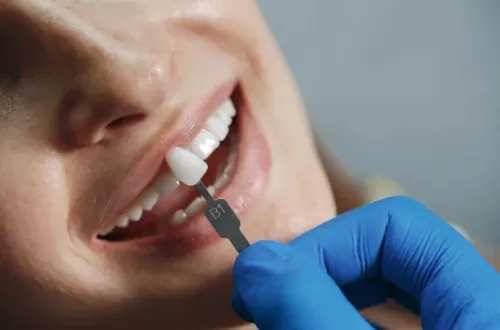
A dentist decides whether professional whitening for deep stains is sensible by examining the teeth before applying peroxide. Under consistent lighting, the dentist compares natural teeth, records a baseline shade, and determines whether the colour is generalised or confined to one tooth.
The dentist also records the shade guide and lighting used so later comparisons remain meaningful.
- Inspect enamel and surrounding tissues for fluorosis, cracks, exposed roots, enamel wear and signs of decay. A dark single tooth needs further assessment before cosmetic treatment.
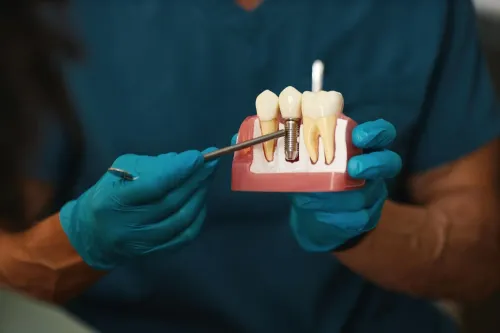
- Review every visible restoration: fillings, composite bonding, crowns, bridges, veneers and implant restorations. These materials do not lighten with peroxide.
- For a smile containing restorations, whiten the natural teeth first, allow the colour to stabilise, then assess whether visible restorations need replacement. Fitting a new crown or veneer beforehand can leave it visibly mismatched after the surrounding teeth lighten.
This examination prevents whitening from masking a dental problem. Active decay, leaking restorations, gum inflammation and cracks can increase sensitivity or let peroxide reach irritated tissues, so treat them before bleaching. It also establishes a realistic comparison: whitening changes natural tooth structure, not the colour of an existing restoration.
What happens during Philips Zoom teeth whitening, and what affects the result?
A dentist should examine the teeth before Philips Zoom teeth whitening, especially when deep stains or sensitivity are present. Cavities, gum inflammation, cracked teeth, leaking restorations, exposed roots and significant wear need treatment first because peroxide can worsen irritation or trigger sharp pain.
- The dentist records the starting shade and examines the teeth, gums and restorations.
- Cheek retractors isolate the teeth, while protective barriers or gel shield the gums and other exposed soft tissues.
- Hydrogen peroxide gel is applied in controlled amounts to the planned surfaces.
- The gel remains in contact for the scheduled period. The hydrogen peroxide concentration, exposure time, application technique and stain type drive the chemical result.
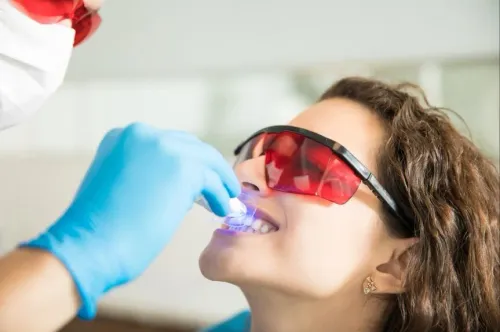
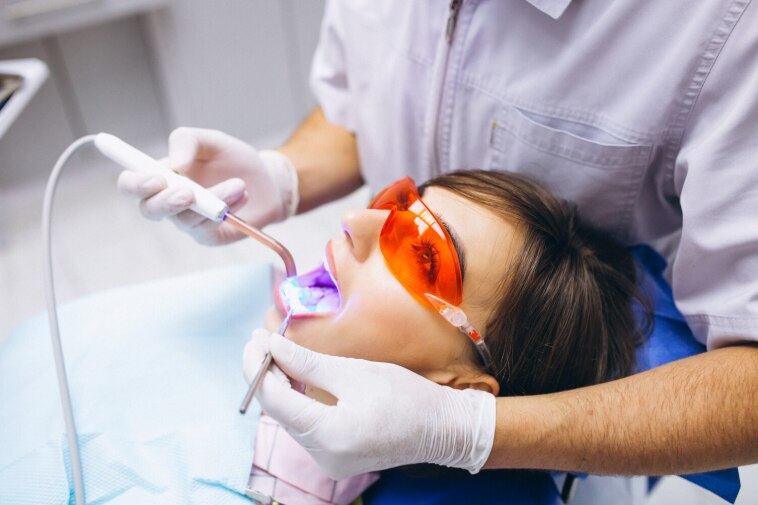
- Some Philips Zoom protocols include optional light activation. The light does not prove a superior long-term outcome; research has not established one universally better light-based method.
- The dentist removes the gel, rinses the teeth and checks the shade again.
The final comparison is not a fixed shade promise. Dehydrated teeth can look temporarily brighter immediately after treatment, then darken slightly as they rehydrate; lighting and shade-guide choice also change the comparison. Therefore Philips Zoom whitening results depend on when and how the colour is measured, not only on the treatment system.
How can you prevent and manage sensitivity after bleaching?
Brief sensitivity to cold air, cold drinks or sweet foods is common for a short period after concentrated peroxide exposure. Temporary gum irritation can also occur when gel touches the soft tissue, but it should settle as the tissue recovers.
Risk increases with exposed dentine, existing sensitivity, cracked or worn enamel, longer contact times and stronger gel. Tell the dentist as soon as discomfort starts during treatment; reducing exposure time or pausing further sessions can prevent a mild reaction from becoming severe.
Use these steps when sensitivity appears:
- Stop additional whitening sessions until symptoms settle.
- Ask the dentist whether a dentist-recommended desensitising product or fluoride treatment is suitable.
- Avoid very cold drinks, ice, sweet foods and acidic drinks for the first day or two.
- Do not apply extra gel or extend tray wear to chase a lighter shade.
Arrange a dental assessment for severe pain, pain that lasts beyond the expected short recovery period, spontaneous throbbing, swelling or pain focused in one tooth. Those symptoms can indicate decay, a crack, pulp inflammation or another problem that more home bleaching will not fix.
Prescribed trays, occasional top-ups and stain control can extend Philips Zoom whitening results. Limit coffee, tea, tobacco and red wine, and rinse after staining drinks. Repeated bleaching can accumulate sensitivity, so schedule maintenance with dental guidance rather than whitening continuously.
When is Philips Zoom the wrong first choice for a deep stain?
Tetracycline banding is a poor candidate for a quick whitening promise. Philips Zoom whitening for deep stains may soften grey-brown bands, but repeated supervised bleaching can still leave the colour uneven. Fluorosis or hypomineralisation can also look more contrasted immediately after bleaching because opaque white areas do not lighten like surrounding enamel.
| Option | What it addresses | When it fits |
|---|---|---|
| Microabrasion | Shallow enamel mottling or superficial defects | The discolouration is limited to the enamel surface |
| Resin infiltration | Porous white or brown enamel lesions | The defect is localised and structurally suitable |
| Composite bonding or veneers | A defined area that needs colour and shape masking | Bleaching is unlikely to produce an even result |
| Internal bleaching | Discolouration inside one non-vital tooth | Trauma has been followed by root-canal treatment |
A single dark tooth after injury needs pulp and root assessment, not external bleaching alone. Pregnancy and breastfeeding call for deferring elective bleaching or obtaining clinician advice because safety evidence is limited; disclose medicines, allergies and previous reactions during the consultation.
For plans in West Delhi, Dr. Raman Dental, Hair And Skin Wellness Centre can link the examination to a recommendation. Ask whether the plan addresses the stain’s cause, existing fillings, crowns or veneers, and sensitivity risk—not whether it guarantees a fixed number of shades.
Remember that Philips Zoom whitening results fade as new stains accumulate, and repeated top-ups can increase sensitivity.
Related services
Philips Zooms Tooth Whitening We provide Philips Zooms Tooth Whitening in Vikas Puri Delhi View service → |
Philips Zoom Teeth Whitening We provide Philips Zoom Teeth Whitening Services in Vikas Puri Delhi View service → |
Frequently asked questions
Which deep stains respond to Philips Zoom whitening?
Tobacco, coffee, tea, red wine and plaque-related surface stains often improve after cleaning and peroxide bleaching. Age-related yellowing can also respond as dentine becomes more visible through thinner enamel.
How does a dentist identify the stain before whitening?
The dentist examines the tooth, checks for plaque and decay, reviews your dental history and assesses whether discoloration is on the surface or within the tooth. They also check fillings, crowns and other restorations because bleaching does not whiten them.
What happens during Philips Zoom teeth whitening?
The dentist protects your gums and soft tissues, applies peroxide whitening gel and uses the Philips Zoom system according to the treatment protocol. The result depends on the stain type, starting shade, enamel condition and your response to bleaching.
How can you prevent and manage sensitivity after bleaching?
Follow the dentist’s instructions, use sensitivity toothpaste and avoid very hot, cold, acidic or strongly coloured foods when advised. Contact the clinic if sensitivity is severe, persistent or accompanied by pain.
When is Philips Zoom the wrong first choice for a deep stain?
Whitening is not the first choice for untreated decay, gum disease, a damaged tooth or discoloration that does not respond to bleaching. Intrinsic stains, crowns, fillings and some medication-related discoloration may need restorative or alternative treatment.
Keywords